
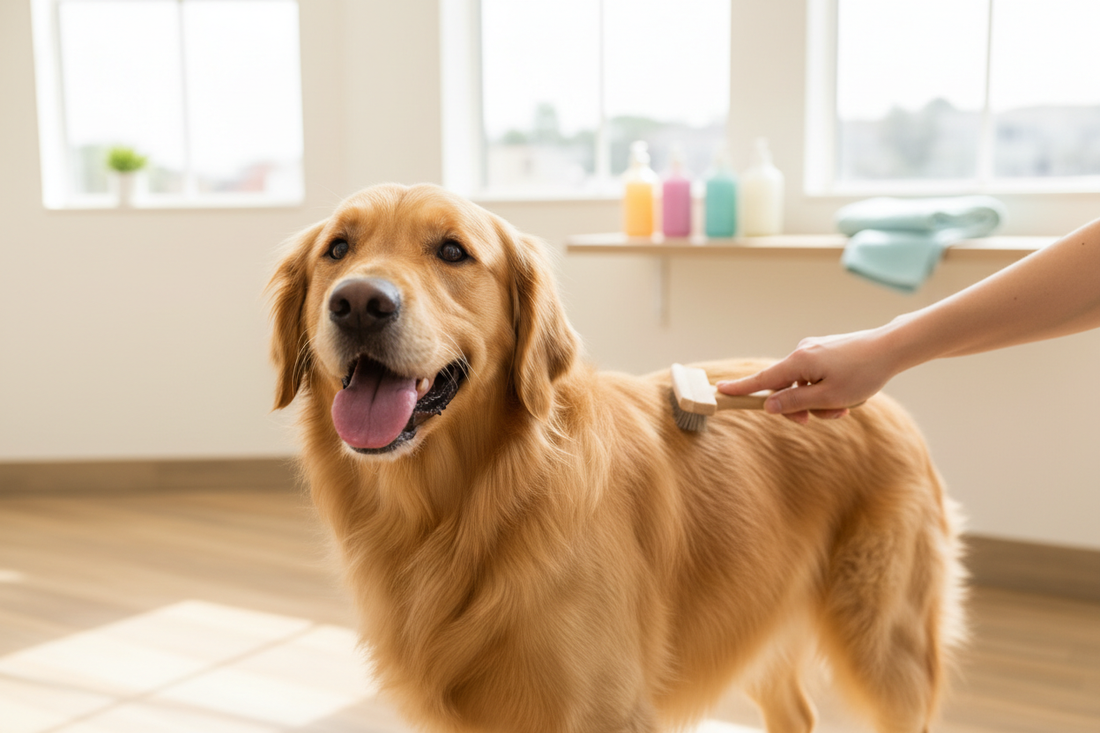
Regular grooming is crucial for maintaining your pet’s health, comfort, and appearance. Whether you have a dog, cat, or other furry companion, proper grooming can help prevent health issues and strengthen your bond with your pet.
Why Grooming Matters
Grooming goes beyond appearance. It helps you detect skin problems, parasites, and lumps early. Regular brushing distributes natural oils, removes dead hair, and prevents matting. For many pets, grooming sessions also become valuable bonding time.
Essential Grooming Tools
Invest in quality grooming tools suited to your pet’s coat type. A slicker brush works well for long-haired breeds, while rubber curry brushes are ideal for short-haired pets. Don’t forget nail clippers, pet-safe shampoo, and ear-cleaning solutions.
Brushing Techniques
Brush in the direction of hair growth using gentle, smooth strokes. For long-haired pets, work in sections and be patient with tangles. Short-haired pets benefit from weekly brushing, while long-haired breeds may need daily care.
Bathing Best Practices
Most dogs need bathing every 4–6 weeks, depending on breed and lifestyle. Use lukewarm water and pet-specific shampoo, and rinse thoroughly to avoid skin irritation. Cats usually groom themselves, but occasional baths may be needed for certain breeds or situations.
Nail Care
Trim nails every 3–4 weeks to prevent discomfort. If you hear clicking on hard floors, it’s time for a trim. Always cut small amounts at a time to avoid the quick, which contains blood vessels and nerves.
Professional Grooming
While home grooming is important, professional groomers can handle complex cuts, difficult pets, and breed-specific styles. Schedule professional sessions every 6–8 weeks for breeds that require it.
Grooming should always be a positive experience. Start slowly with young pets, use treats and praise, and never rush. Your patience will pay off with a well-groomed, happy companion.


