
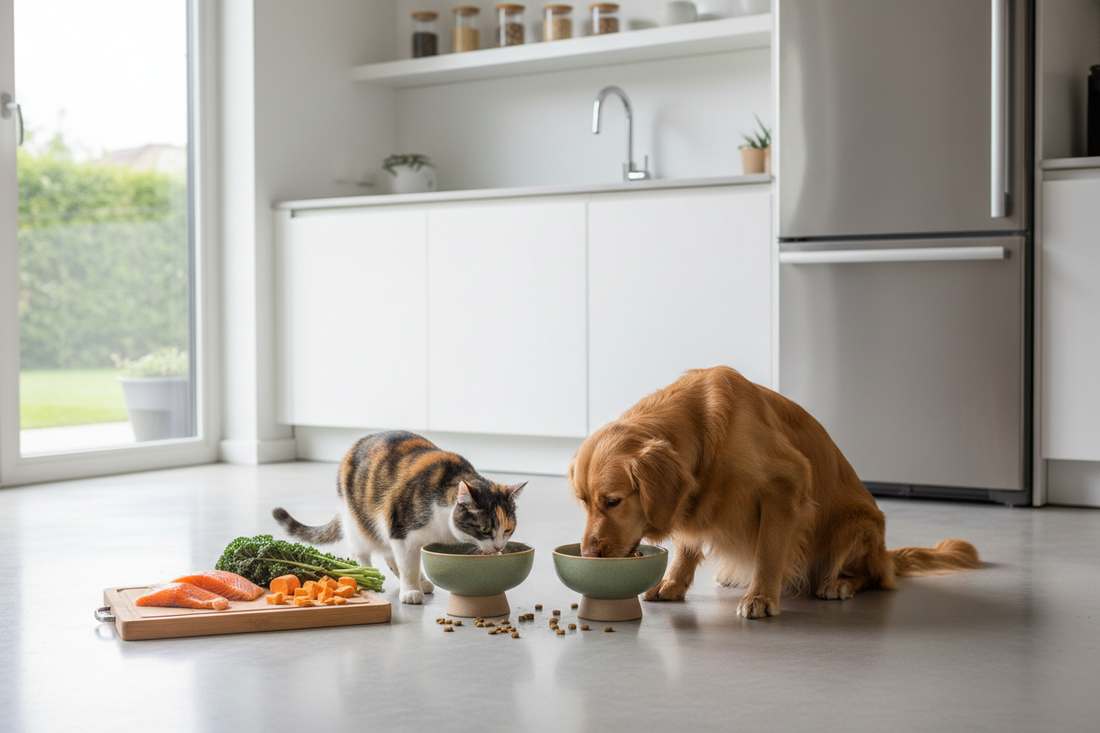
Proper nutrition is the foundation of your pet’s health and longevity. Understanding your pet’s dietary needs and establishing healthy feeding habits can help prevent obesity, improve energy levels, and support overall wellbeing.
Understanding Nutritional Needs
Pets require a balanced diet that includes proteins, fats, carbohydrates, vitamins, and minerals. Dogs are omnivores and can thrive on varied diets, while cats are obligate carnivores and require high protein along with essential nutrients like taurine. Age, size, activity level, and health conditions all influence nutritional requirements.
Choosing Quality Pet Food
Look for foods with named protein sources (such as chicken, beef, or salmon) listed as the first ingredient. Avoid excessive fillers, artificial colors, and preservatives. While premium foods may cost more initially, they often provide better nutrition and can reduce long-term veterinary expenses.
Portion Control and Feeding Schedules
Follow feeding guidelines on pet food packaging, but adjust based on your pet’s body condition. Most adult dogs do well with two meals daily, while cats often prefer multiple small meals. Measuring portions accurately helps prevent overfeeding, one of the leading causes of pet obesity.
Fresh Water Is Essential
Always provide clean, fresh water. Change water daily and wash bowls regularly. Some pets prefer running water from fountains, which can encourage better hydration.
Healthy Treats and Snacks
Treats should make up no more than 10% of your pet’s daily calories. Choose nutritious options such as small pieces of cooked chicken, carrots, or high-quality commercial treats. Avoid toxic foods including chocolate, grapes, onions, and xylitol.
Special Dietary Considerations
Puppies and kittens need nutrient-dense food formulated for growth. Senior pets may benefit from lower-calorie diets with joint-supporting ingredients. Pets with allergies, sensitivities, or medical conditions may require specialized or prescription diets.
Transitioning Foods
When changing foods, transition gradually over 7–10 days by mixing increasing amounts of the new food with the old. This helps prevent digestive upset and allows your pet to adjust to new flavors and textures.
For personalized nutrition advice, consult your veterinarian. Regular weight checks and body condition assessments help ensure your feeding plan supports optimal health.


